




Dandruff is one of the most common scalp concerns in the world, affecting close to half of all adults at some point in their lives. Yet despite how widespread it is, it remains one of the most misunderstood. Many people live with it as a permanent inconvenience, cycling through products without fully addressing the underlying cause.
Understanding what dandruff actually is and why it develops is the first step toward managing it effectively.
What Exactly Is Dandruff?
Dandruff refers to the shedding of dead scalp skin cells in visible flakes. Some degree of skin cell turnover on the scalp is entirely normal. The scalp, like skin everywhere on the body, renews itself continuously. The problem arises when this process accelerates beyond its usual pace, producing flakes large and numerous enough to become visible on the hair and shoulders.
Dandruff is generally not a sign of poor hygiene, though this misconception persists. It is a scalp condition with specific triggers, and it can affect people of any hair type, cleansing frequency, or lifestyle.
The Role of Malassezia and Scalp Imbalance
The most significant underlying factor in most cases of dandruff is a yeast called Malassezia. This microorganism is naturally present on virtually every human scalp. Under balanced conditions, it coexists with the scalp's microbiome without causing any issues.
Problems begin when Malassezia overgrows. It feeds on the natural oils produced by the scalp and, in doing so, produces byproducts that can irritate the skin, disrupt the scalp's surface barrier, and trigger an accelerated cycle of cell renewal. The result is the flaking, itchiness, and sometimes redness that characterise active dandruff.
What causes Malassezia to overgrow in the first place? This is where individual factors, environment, and lifestyle all play a role.
Dry Scalp vs Oily Dandruff
Not all dandruff looks or behaves the same, and this distinction matters when choosing how to address it.
Dry scalp dandruff tends to produce smaller, finer, white flakes. The scalp feels tight and sometimes itchy. It is often more prevalent in cooler, drier weather and can be exacerbated by harsh cleansing products that strip the scalp of its natural moisture.
Oily dandruff, sometimes associated with a condition called seborrhoeic dermatitis, produces larger, yellowish flakes that may appear greasy. The scalp often feels itchy or uncomfortable, and there may be visible redness. This type is more closely linked to Malassezia overgrowth and excess sebum production.
Knowing which type you are dealing with helps determine the right approach, since an intensely moisturising treatment aimed at dry scalp may be counterproductive for someone whose scalp is already producing excess oil.
Common Triggers Including Stress and Weather
Dandruff rarely has a single cause. It tends to be triggered or worsened by a combination of factors, including:
Stress: A significant and often overlooked contributor. Psychological stress can disrupt the immune response, compromise the skin barrier, and tip the scalp's microbial balance toward Malassezia overgrowth.
Weather changes: Cold, dry air in winter reduces the scalp's moisture levels, while heat and humidity in warmer months can increase sebum production. Many people notice their dandruff worsens at specific times of year.
Product buildup: Residue from styling products, dry shampoo, or heavy oils can accumulate on the scalp and create conditions that encourage microbial imbalance.
Infrequent cleansing: Going too long between washes allows sebum and debris to build up, potentially feeding Malassezia. However, overwashing can strip the scalp and trigger a compensatory increase in oil production.
Diet: There is growing evidence that diet influences scalp health. High sugar intake and diets low in zinc, B vitamins, and essential fatty acids have been associated with a higher tendency toward dandruff.
Simple Habits That Support Scalp Health
Managing dandruff effectively is less about finding the one product that eliminates it and more about creating consistent habits that keep the scalp environment balanced.
Regular and gentle cleansing is essential. The scalp benefits from being washed frequently enough to remove buildup without being stripped of its protective oils. A mild, anti dandruff formulation that addresses Malassezia without disrupting the wider scalp ecosystem is more effective long term than harsh medicated shampoos used sporadically.
Oiling the scalp before cleansing, a deeply embedded practice in Ayurvedic haircare, supports the scalp's moisture barrier and helps prepare it for washing. The right oil, applied correctly and then thoroughly cleansed, can help regulate sebum production rather than exacerbate it.
Scalp massage, even without oil, improves circulation and lymphatic drainage, both of which support a healthier scalp environment over time.
Reducing stress, maintaining a balanced diet, and staying hydrated all contribute to scalp health in ways that no topical product can fully substitute.
When Should You Seek Medical Advice?
Most cases of dandruff respond well to consistent scalp care and the right topical products. However, there are situations where it is worth consulting a dermatologist or trichologist.
If your dandruff is accompanied by significant redness, crusting, or scaling that extends beyond the scalp to the eyebrows, sides of the nose, or ears, it may indicate seborrhoeic dermatitis, which benefits from specific medical treatment. Similarly, if over the counter approaches have not brought any improvement after several weeks of consistent use, or if the scalp is painful to the touch, professional assessment is the appropriate next step.
How Qi Ayurveda Thinks About Scalp Balance
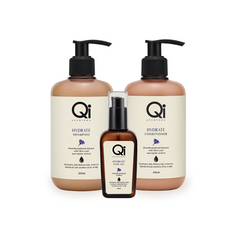
At Qi Ayurveda, we believe that a balanced scalp is the foundation of healthy hair. Our Hydrate range is formulated with Dhurdhurpatradi and Swiss anti dandruff actives to address both the symptoms and the underlying scalp environment, targeting Malassezia overgrowth while supporting the scalp's natural moisture levels.
We also encourage regular oiling as a foundational habit, followed by gentle cleansing with a formulation that does not strip or disrupt. The goal is not simply to remove flakes but to create the conditions in which flakes are less likely to form in the first place.
Consistency, as with most things in Ayurveda, matters more than intensity.
Explore the Qi Ayurveda Hydrate range at qiayurveda.com